The international workshop Stereotomic Stone Architecture will take place at FAUP from May 4 to 8, 2026, bringing together students, researchers, and professionals to explore sustainable approaches to the design and construction of structural stone.
In a context marked by growing environmental concerns, stone construction has been gaining renewed attention as a low-impact strategy. As a natural material requiring minimal processing, stone offers a durable and reversible alternative to many contemporary construction systems, contributing to the reduction of the built environment’s environmental footprint.
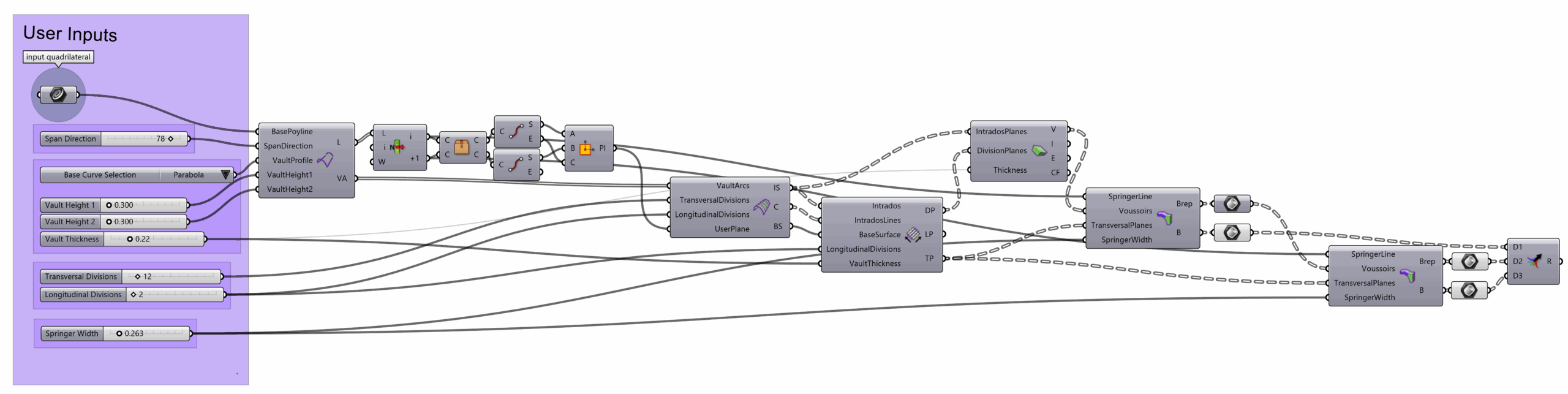
The workshop proposes a critical and hands-on approach to stereotomy, the art of building with cut stone elements that work predominantly in compression. Rooted in the European architectural tradition, stereotomic techniques are revisited here through contemporary methodologies, combining architectural geometry, digital modelling, and practical experimentation. Participants will explore design principles, fabrication processes, and assembly methods associated with the construction of stone vaults, culminating in the construction of a small stereotomic prototype.
The workshop begins on May 4 with a public symposium featuring invited speakers Giuseppe Fallacara (Politecnico di Bari), Christophe Aubertin (Studio LADA), and Clemente Pinto (University of Beira Interior). Throughout the week, participants will also visit the marble quarry and processing facility of Solubema, in Alentejo, providing direct contact with contemporary techniques of stone extraction and processing.
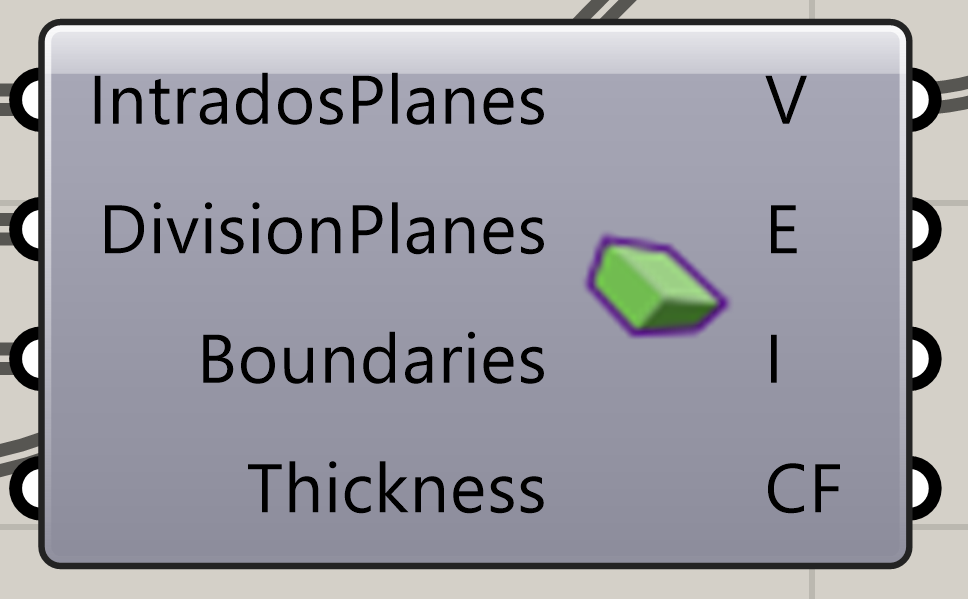
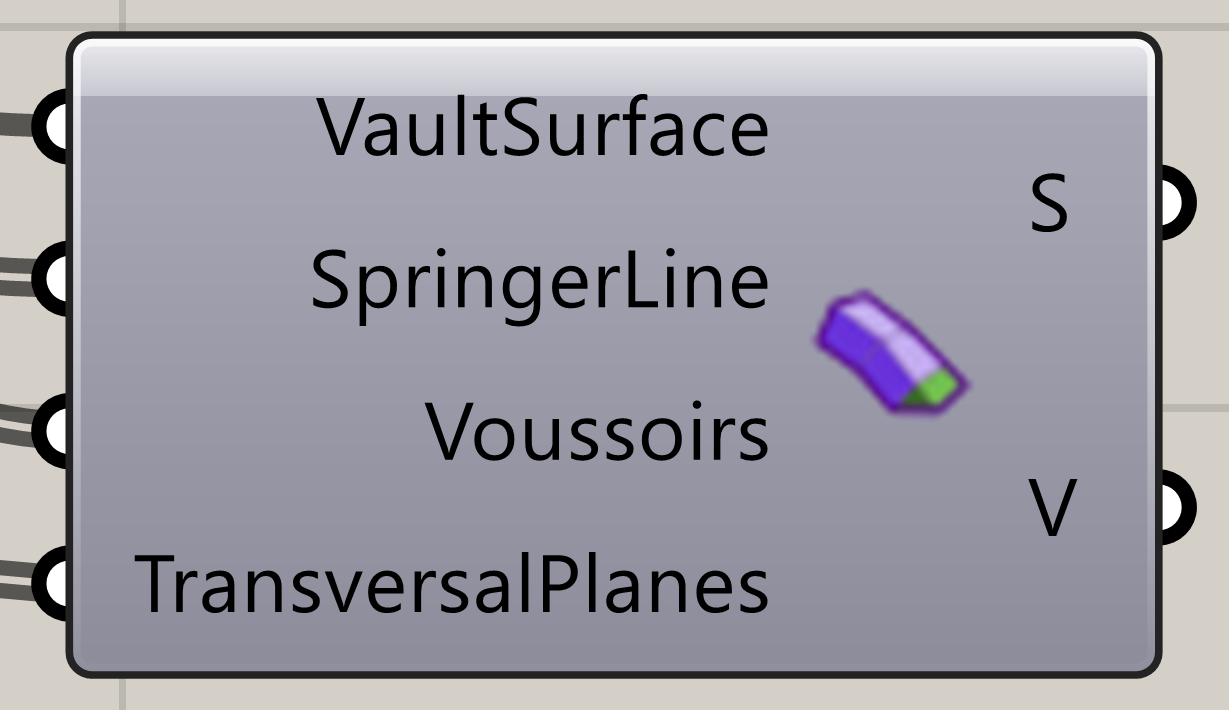
This initiative is hosted by the Digital Fabrication Laboratory (DFL), integrated in the Centro de Estudos Nuno Portas (CENP), at FAUP. It is framed within the research project BIM Estereotómico (STBIM), coordinated by researcher Pedro de Azambuja Varela. The project aims to develop BIM-based methods and tools dedicated to the design and construction of low-carbon stereotomic systems, exploring stone as a structural material. By integrating parametric modelling, structural validation, and data preparation for digital fabrication, STBIM seeks to enable the design, simulation, and documentation of stereotomic structures within current BIM platforms, promoting sustainable alternatives to reinforced concrete and positioning stereotomy as a contemporary architectural language.
The project is funded by the Portuguese Foundation for Science and Technology (FCT), under the project “BIM Estereotómico – Exploring the design and sustainable construction of structural stone”, with reference 2023.15500.PEX, and has been assigned the DOI https://doi.org/10.54499/2023.15500.PEX.
Registrations in FAUP’s website.